Parents want to know how their child is doing, and teachers want parents to be involved, yet the two groups often struggle to talk to each other. Messages get lost in crowded group chats, notices are missed, and the only formal meeting happens once a term. Better communication does not need elaborate tools. It needs clear channels, a consistent rhythm and a respectful tone.
Why communication breaks down
Most problems come from a few ordinary causes:
- Too many channels. Parents get information through diaries, chat groups, phone calls and printed circulars, and nobody knows which one is official.
- Late or last-minute messages. A notice about a test or a trip that arrives the night before creates stress and complaints.
- Only bad news. If parents hear from school mainly when something is wrong, every message feels like a warning.
- No record. When a conversation happens verbally, both sides remember it differently.
Choose one official place for information
Pick a single place where parents can always find official information, such as a school portal or a dated notice board, and say so clearly at the start of the year. Other channels, like phone calls, can still be used, but important announcements should always appear in the official place too.
Tip: Tell parents once, early and in writing which channel is official and how quickly the school will respond. Clear expectations prevent most frustration.
Match the message to the purpose
Different situations call for different forms of communication.
| Situation | Suitable approach |
|---|---|
| Holiday, timetable or event change | Written notice, sent well in advance |
| Homework and class updates | Posted where parents and students can check it |
| Attendance or behaviour concern | Private message or call, followed by a note |
| Academic progress | Report card plus a scheduled meeting |
| Emergency | Phone call and a follow-up notice |
Sensitive matters about an individual child should never be posted in a group or on a shared board.
Make parent-teacher meetings useful
A meeting is only valuable if both sides leave with something to act on.
- Share information beforehand. Parents should see marks and attendance before they arrive so the meeting can focus on discussion.
- Start with strengths. Begin with what the child does well, then move to areas for improvement.
- Be specific. "Struggles with fractions and needs practice with word problems" is more helpful than "weak in maths".
- Agree on next steps. Note what the teacher will do and what the family will do, and when you will check again.
- Keep a short record. A few lines in the student's file allow the next teacher to continue the conversation.
Support teachers
Teachers are often expected to respond to parents at any hour. Set boundaries so they can communicate well without burning out.
- Define response times, such as within two working days, rather than expecting instant replies.
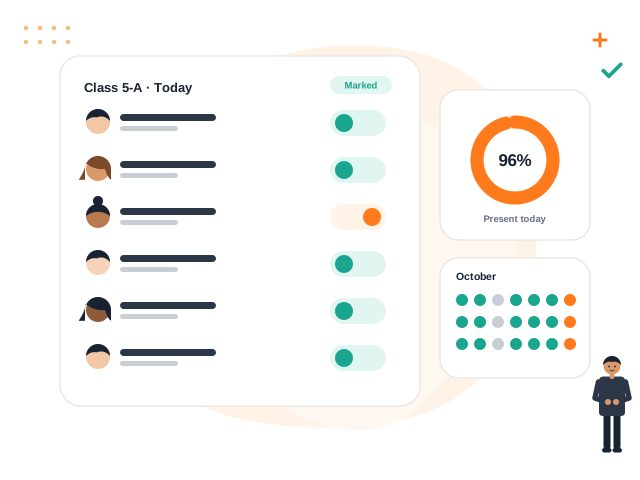
- Provide a shared way to see a student's attendance and marks so teachers do not need to look them up by hand.
- Offer simple guidance on writing messages that are clear, polite and factual.
- Route repeated or sensitive issues to the class coordinator or principal.
Listen as well as inform
Communication is two-way. Give parents a clear route to ask questions or raise concerns, and respond to them respectfully, even when the answer is no. A short parent feedback form once a term can reveal problems the school did not know about. Share what changed as a result, so parents see that feedback is taken seriously.
Respect privacy
Student information is sensitive. Make sure parents can see only their own child's records, share marks and attendance individually rather than in a class-wide list, and avoid sending personal details through informal channels.
Where software helps
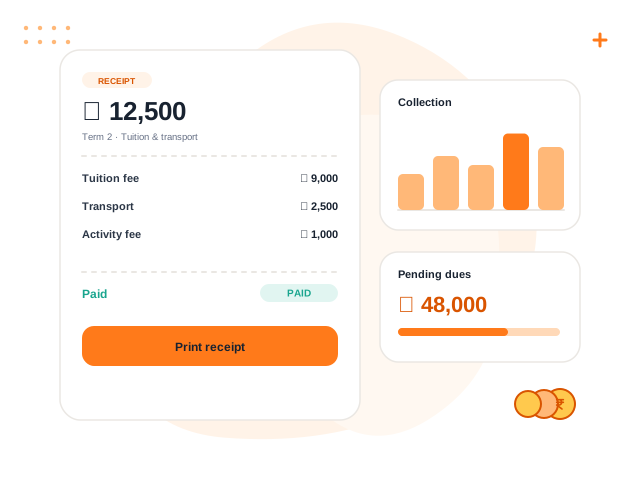
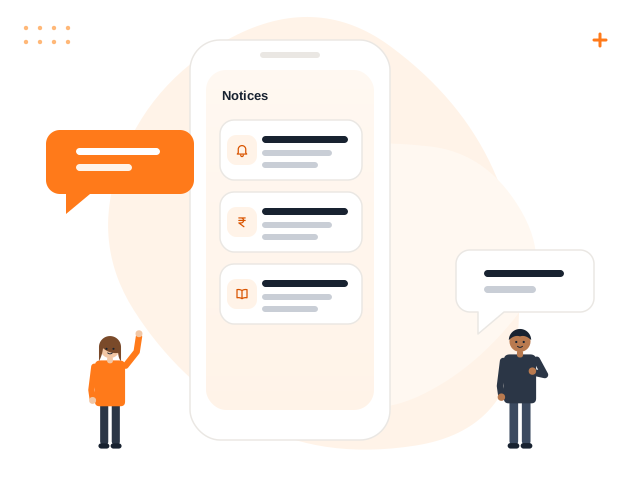
A school system can keep the official information in one place so parents do not have to search several. Volvoq provides parent and student portals where families can see attendance, homework, published results, fee balances and receipts, transport details, and notices and events for their child's class. WhatsApp, SMS and email delivery are not available yet, so notices are shown inside Volvoq.
Bring this into your school with Volvoq
Volvoq is a school ERP for student records, attendance, fees, exams and parent portals. Book a demo to see how it could fit your school.
Book a Demo